2026-07-25
Tranquility and Serenity
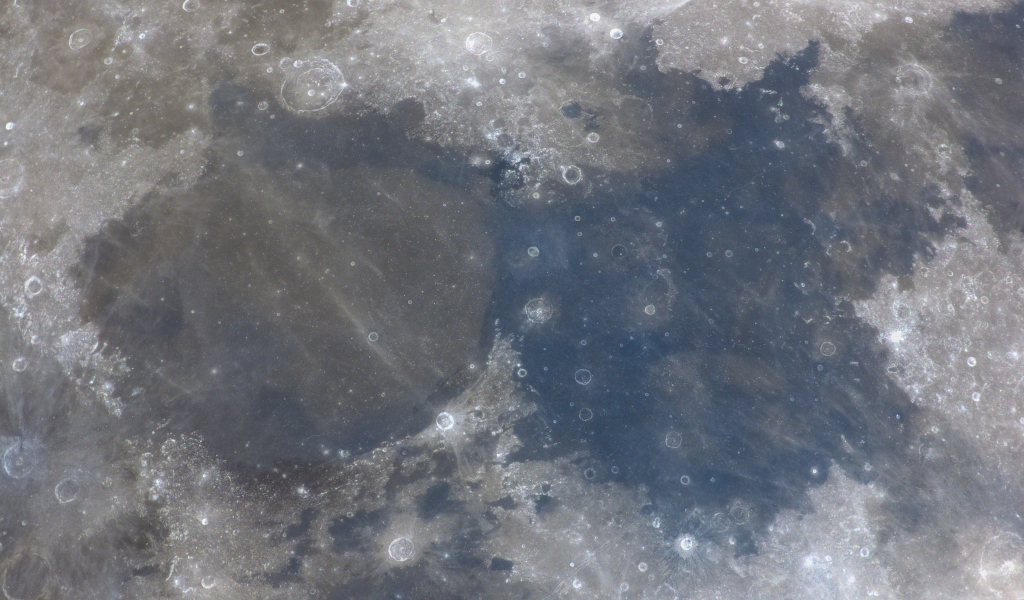
Look up and wonder. Today's cosmic highlight is Tranquility and Serenity:
Why this matters
This scene highlights the Moon, the planets, the night sky. The same physics that lets us photograph it also lets us predict where objects will be tomorrow — which is exactly what real-time tracking is built on.
See it live on ObjectTracer
This connects to what you can track in real time on our 3D globe — explore Moon tracker · Solar System view · Deep Space. Or open the live globe to watch flights, satellites, the ISS and spacecraft move right now.
The science, from NASA's Astronomy Picture of the Day
The Seas of Tranquility and Serenity are calm today. They're calm most every day though, since they are actually lunar maria, ancient lava flows filling in large impact basins on the Moon. Also known by Latin names Mare Tranquillitatis (right) and Mare Serenitatis, the smooth dark lunar "seas" are in stark contrast to the bright cratered lunar highlands surrounding them in this telescopic view. Of course their names are based on the historical, pre-telescopic designations of lunar maria. Easily visible to the unaided eye, the broad features on the Moon's near side were imagined to be like the expansive oceans of planet Earth. On July 20, 1969, the Apollo 11 lunar module Eagle touched down on the Mare Tranquillitatis (at lower right), establishing Tranquility base and the first human presence on the Moon.
Image credit: Tranquility · Source: NASA APOD
More from the Space Journal
- Daytime Moon Meets Evening Star2026-06-20
- Starry Night II2026-06-19
- 10 Days of Venus and Jupiter2026-06-14
- Mars Marathon by Perseverance2026-06-27
- The Large Magellanic Cloud2026-07-23
- Swift Boost Mission2026-07-08